Tracing the Shift Toward Integrated Esports and Casino Gaming Platforms Using Alternative Payment Methods
David Lang · Aug 20, 2026
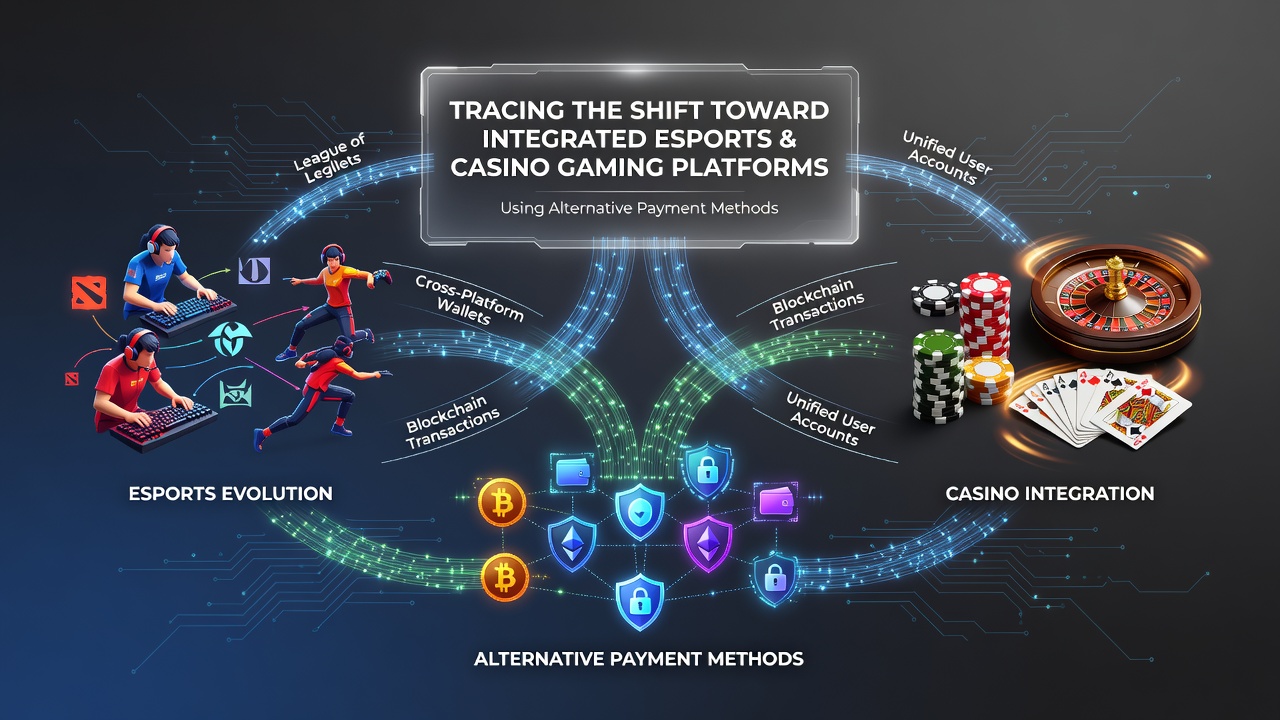
Tracing the Shift Toward Integrated Esports and Casino Gaming Platforms Using Alternative Payment Methods
Integrated platforms that combine esports competitions with traditional casino games have gained traction as operators seek ways to attract younger audiences while expanding revenue streams, and this evolution relies heavily on alternative payment methods such as cryptocurrencies, e-wallets, and prepaid cards that bypass conventional banking restrictions. Data from industry trackers shows that transaction volumes using these methods in gaming sectors rose steadily between 2023 and 2025, driven by user demand for faster processing and lower fees in cross-border scenarios.
Early Developments in Platform Convergence
Operators began experimenting with hybrid models around 2020 when esports viewership surged during global lockdowns, and several companies launched sites that offered both live tournament betting and slots or table games under one account. Researchers tracking user behavior found that players who engaged with esports often migrated to casino sections when seamless deposits were available, which prompted developers to integrate unified wallets and loyalty programs that reward activity across both verticals.
Adoption of Alternative Payment Methods
Alternative payment systems gained prominence because traditional credit card processors imposed high fees and lengthy verification on gaming transactions, whereas digital currencies and instant transfer services like those based on blockchain technology completed deposits in seconds. Figures released by payment analytics firms indicate that crypto-based gaming transactions accounted for over 15 percent of total volume in certain markets by mid-2025, with stablecoins emerging as a preferred option due to reduced volatility compared to earlier cryptocurrencies.
Platforms that adopted these methods reported higher retention rates among international users who faced restrictions from local banks, and one notable example involved a European operator that introduced multi-currency support including Bitcoin and Ethereum alongside regional e-wallets, resulting in a documented 28 percent increase in active accounts within the first year according to internal metrics shared with trade publications.
Regulatory Influences Across Regions
Government agencies in various jurisdictions have updated frameworks to address the combined nature of these platforms, and in Canada provincial regulators issued guidelines in 2024 that clarified licensing requirements for operators offering both esports and casino products through unified interfaces. Similar moves occurred in parts of Latin America where authorities focused on consumer protection measures tied to rapid digital payments rather than banning the integration outright.

By August 2026, updates from the Nevada Gaming Control Board highlighted increased scrutiny on transaction monitoring for platforms using alternative payments, emphasizing requirements for real-time reporting to prevent money laundering while still permitting innovation in product bundling. Observers note that these rules encouraged operators to partner with licensed payment processors that maintain compliance logs without slowing user experience.
Market Data and User Trends
Research from the American Gaming Association points to a 40 percent growth in hybrid platform sign-ups among users aged 18 to 34 between 2024 and 2026, and this demographic showed particular preference for platforms accepting digital assets because they aligned with existing habits in esports communities. Industry reports further reveal that average session lengths extended when alternative payments reduced friction at deposit and withdrawal stages, allowing players to switch between watching tournaments and placing casino wagers without leaving the application.
Take one case where an Asian-based operator integrated esports skin betting mechanics with traditional roulette variants, and data collected showed that users who funded accounts via e-wallets completed 2.3 times more transactions per month than those relying on bank transfers. This pattern held across multiple regions despite differing regulatory climates, suggesting the payment method itself influenced engagement levels more than game selection alone.
Technical and Security Considerations
Developers have invested in blockchain-based verification systems that authenticate both player identity and transaction history in a single flow, which reduces the need for separate Know Your Customer checks when users move between esports and casino modules. Security analyses from research institutions indicate that while these systems lower certain fraud vectors, they also introduce new challenges around wallet custody and key management that operators must address through partnerships with specialized fintech firms.
Yet the overall trajectory remains one of continued integration because the underlying infrastructure for alternative payments continues to mature, and platforms that invested early now handle higher volumes with fewer disputes compared to those still dependent on legacy systems.
Conclusion
The shift toward integrated esports and casino platforms supported by alternative payment methods reflects broader changes in how digital entertainment and wagering converge, and available data from regulatory bodies alongside industry trackers shows measurable adoption across multiple continents. As infrastructure and oversight evolve, these platforms continue to refine their offerings while maintaining compliance with regional standards that govern both product types and financial flows.