Data Patterns in Esports Betting Volumes Compared to Traditional Casino Preferences on Mobile Platforms
Willa Schröder · Oct 7, 2026
Data Patterns in Esports Betting Volumes Compared to Traditional Casino Preferences on Mobile Platforms
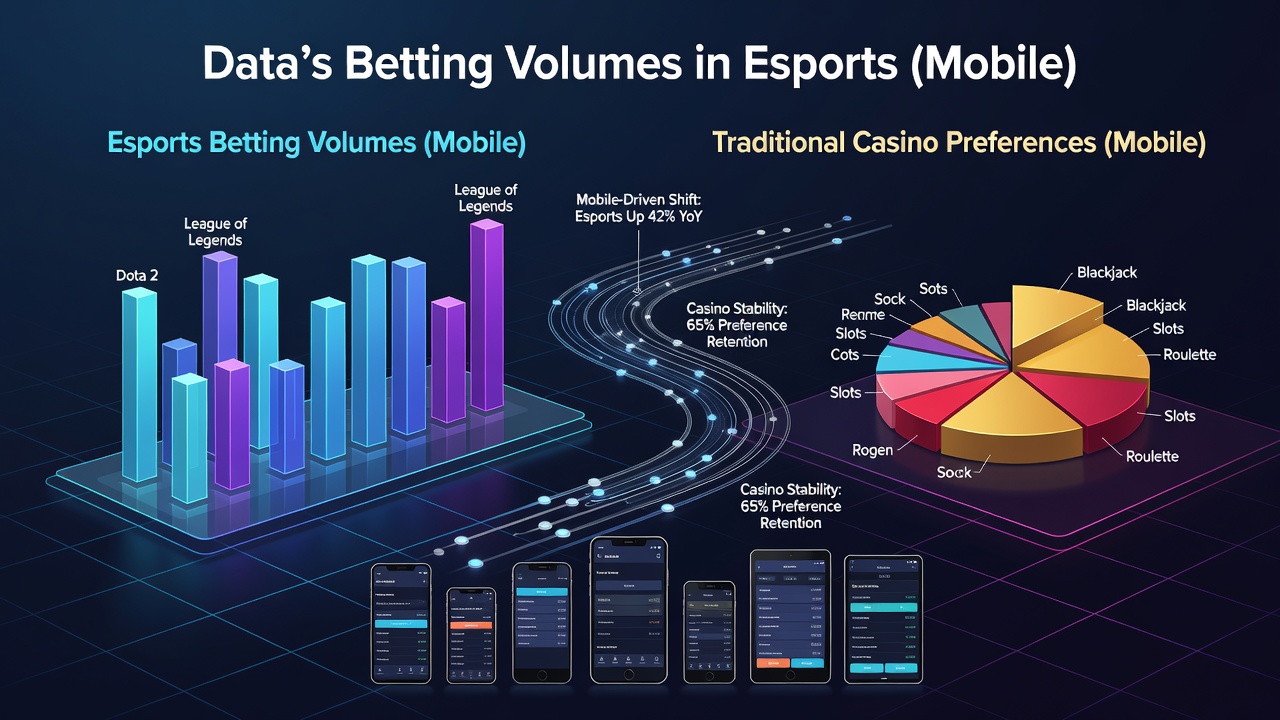
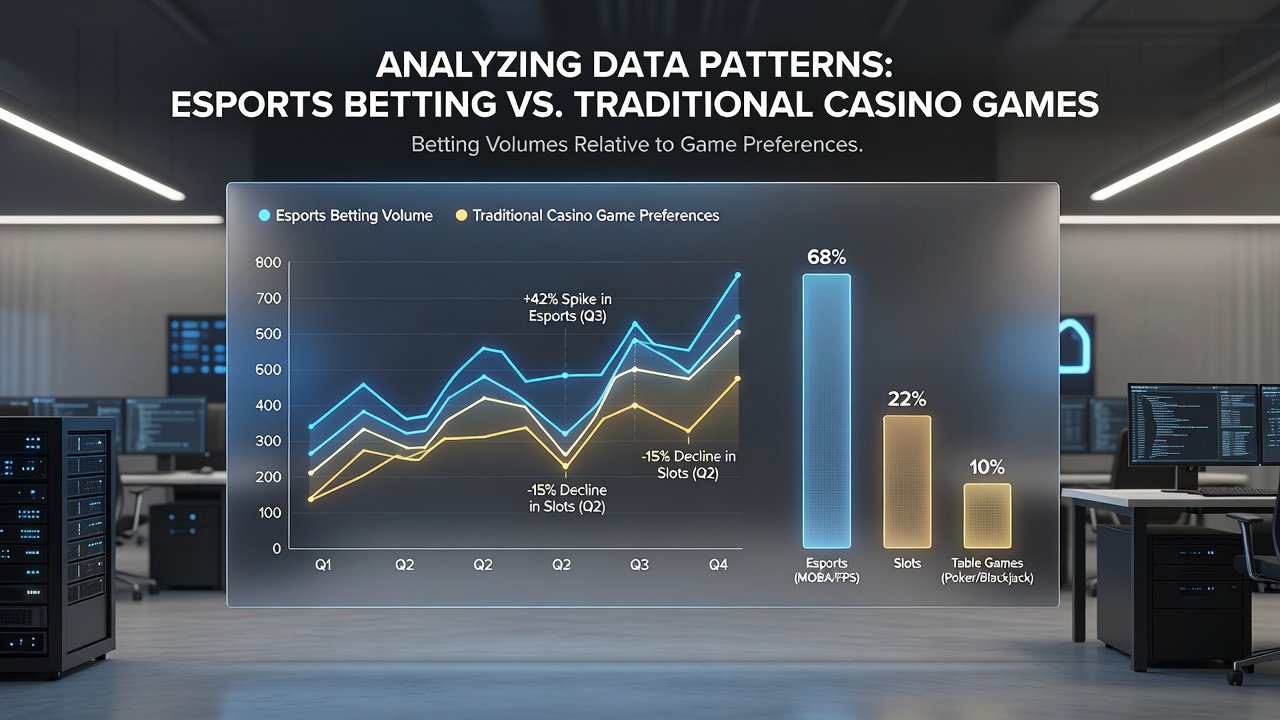
Market analysts have tracked steady increases in esports betting activity on mobile applications since 2023, while traditional casino offerings such as slots and table games continue to generate substantial transaction volumes through the same channels. Data compiled from operator reports shows mobile esports wagers rising from approximately 18 percent of total betting handle in 2024 to just over 24 percent by mid-2026, with growth concentrated among users aged 18 to 34. Those same datasets indicate that slot games and roulette still account for the largest share of mobile casino play, though their proportional contribution has declined modestly as esports options expand.
Mobile Platform Trends Across Betting Categories
Platform telemetry collected by multiple operators reveals that session lengths for esports matches average 12 minutes longer than those recorded for classic casino titles, yet users place fewer individual bets during each esports engagement. Figures released by industry research groups demonstrate that mobile esports volumes peak during evening hours in North American and European time zones, whereas casino game activity distributes more evenly across daytime and late-night windows. Researchers at several academic institutions have noted that push-notification campaigns tied to live esports events correlate with short-term spikes in deposit activity, while casino promotions tend to produce steadier, smaller increments throughout the week.
Volume Comparisons and User Segmentation
Breakdowns by user segment illustrate distinct patterns. Accounts classified as high-frequency mobile users allocate roughly 37 percent of their total wagering budget to esports titles in October 2026 samples, compared with 29 percent in the same month of the previous year. Meanwhile, occasional players continue to direct more than half their mobile spending toward slot machines and video poker variants. Cross-tabulated records from payment processors show that esports bettors on mobile devices complete an average of 4.2 transactions per session, while traditional casino players complete 7.8, although the average stake per esports transaction exceeds that of most slot spins by a factor of three.
Regional Variations Documented Through 2026
Reports issued by the American Gaming Association document stronger relative growth in mobile esports volumes within states that legalized online sports wagering earlier, while casino-style games retain higher absolute volumes in jurisdictions with established iGaming frameworks. Australian regulatory summaries and data from state gaming authorities indicate parallel shifts, with esports comprising a rising share of mobile handle yet remaining secondary to electronic gaming machines accessed via apps. European operators reporting to pan-regional trade associations have recorded similar divergence, noting that mobile users in Nordic markets exhibit higher esports participation rates than those in Mediterranean countries, where classic table games maintain stronger retention metrics.
Payment Method Correlations and Session Data
Transaction logs further highlight connections between preferred payment rails and game type. Mobile esports bettors show elevated usage of instant bank transfers and digital wallets, whereas players favoring traditional casino content rely more frequently on card-based deposits. Aggregated figures from October 2026 reveal that the median esports betting session on mobile involves two or more simultaneous matches, whereas casino sessions typically revolve around repeated spins or hands on a single title. Observers tracking retention metrics note that esports users return to applications at intervals averaging 2.8 days, compared with 1.9 days for casino-focused cohorts, although both groups demonstrate comparable lifetime value when adjusted for acquisition channel.
Conclusion
Comprehensive datasets gathered through 2026 demonstrate measurable divergence in how mobile users distribute activity between esports betting and established casino offerings. Volume trajectories, session characteristics, and regional differences appear consistently across multiple operator and regulatory sources, providing a factual basis for continued monitoring of these parallel market segments.