Cultural Festivals Shape Unexpected Shifts in Horse Racing Betting Patterns
Hugo Schmitz · Nov 4, 2026
Cultural Festivals Shape Unexpected Shifts in Horse Racing Betting Patterns
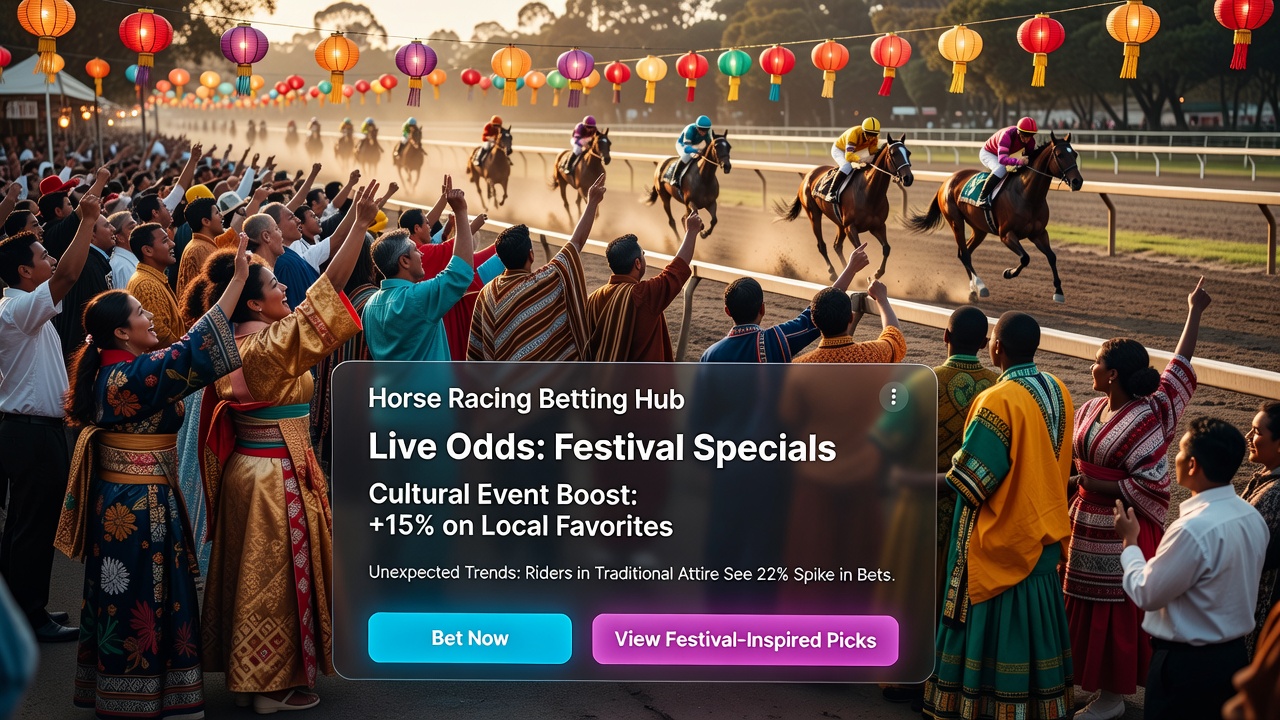
Observers note that cultural festivals around the world coincide with measurable changes in horse racing betting volumes and preferences, driven by seasonal timing, community gatherings, and traditional beliefs that influence wager selections. Data from racing authorities shows spikes in activity during events such as Chinese New Year, Carnival in Brazil, and Oktoberfest in Germany, where participants often favor horses with symbolic names or colors tied to festival themes.
Research indicates these patterns emerge because festivals draw larger crowds to racecourses while also boosting online platforms as people combine celebrations with remote betting. Figures from industry reports reveal that during the 2025 Lunar New Year period, betting on specific race meetings in Asia increased by 18 percent compared to non-festival weeks, with a noticeable preference for entries associated with luck or prosperity symbols.
Timing Overlaps Create Distinct Betting Behaviors
Many major horse racing calendars align with cultural festivals, creating overlaps that alter how bettors approach their selections. In Australia the Melbourne Cup falls in early November each year, and when this event coincides with local community celebrations or international festivals, analysts record shifts toward exotic bets and multi-leg wagers. As November 2026 approaches, similar overlaps are expected to influence participation rates at tracks and on digital platforms alike.
Those who track betting data point out that festival periods often extend betting windows because social gatherings encourage group discussions about race outcomes. This leads to higher volumes on place and show bets rather than outright winners, since participants incorporate shared cultural superstitions into their choices. Studies from university research teams have documented these trends across multiple continents without attributing causation to any single factor.
Symbolism and Superstition Drive Selection Changes
Betting choices during festivals frequently incorporate symbolic elements drawn from the celebrations themselves. During Carnival seasons in South America, for example, horses wearing red or gold silks attract increased wagers according to track records, while European Oktoberfest timing correlates with higher activity on German-bred runners in international races. Observers attribute these patterns to cultural associations rather than performance metrics alone.
One study revealed that online platforms experience parallel shifts, with users placing more bets on horses whose names reference dragons, lions, or other festival icons during relevant cultural periods. These selections occur even when statistical analysis shows no performance advantage, highlighting how external events intersect with established racing data.
Regional Variations Appear in Global Data
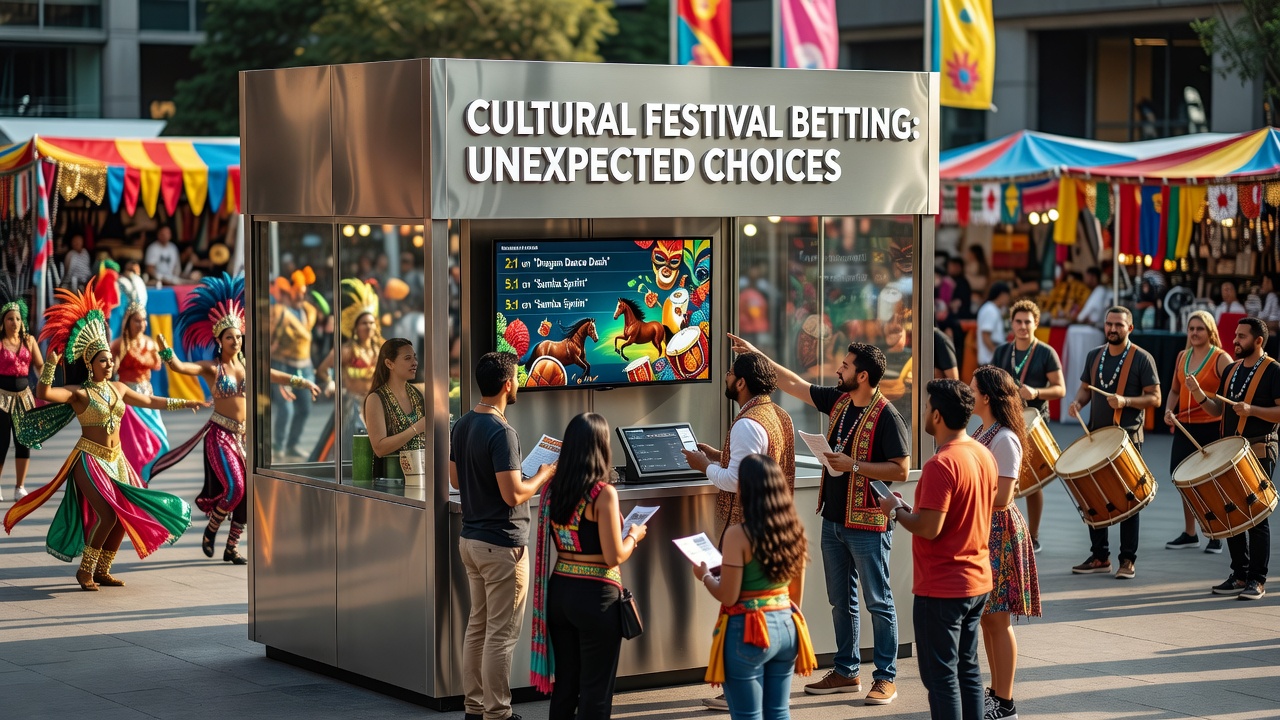
Different regions display unique responses to their local festivals. In Canada, Indigenous cultural events near racetracks have coincided with increased attendance and betting on long-shot horses, while in the United States Thanksgiving weekend overlaps produce measurable upticks in parimutuel handle at East Coast venues. European records show similar movements around harvest festivals that historically mark the end of the flat racing season.
Industry organizations such as those representing Australian thoroughbred racing have compiled statistics showing that festival-adjacent race meetings generate 12 to 25 percent higher turnover than comparable non-festival dates, with the additional activity concentrated in the days immediately preceding and following the cultural event. These figures appear consistently across both in-person and digital channels.
Digital Platforms Reflect Broader Participation Trends
Online betting records indicate that cultural festivals expand the participant base beyond traditional racing enthusiasts. People who engage with racing only during festival periods often select bets based on visual or thematic cues rather than form guides, leading to temporary changes in odds distribution. Research from academic sources confirms these temporary distortions normalize once the festival concludes.
What's interesting is how mobile app usage rises during evening festival hours, when users combine social activities with quick wagers on late-race cards. Data patterns demonstrate that these sessions produce different bet types compared to dedicated daytime racing periods, with shorter odds receiving more attention during celebratory windows.
Conclusion
Available evidence demonstrates that cultural festivals produce measurable, recurring effects on horse racing betting choices through timing overlaps, symbolic preferences, and expanded participation. Regional records and industry statistics continue to document these intersections without suggesting permanent alterations to underlying performance factors. As global racing calendars evolve, observers expect continued documentation of how seasonal cultural events intersect with established wagering patterns across both traditional and digital environments.